

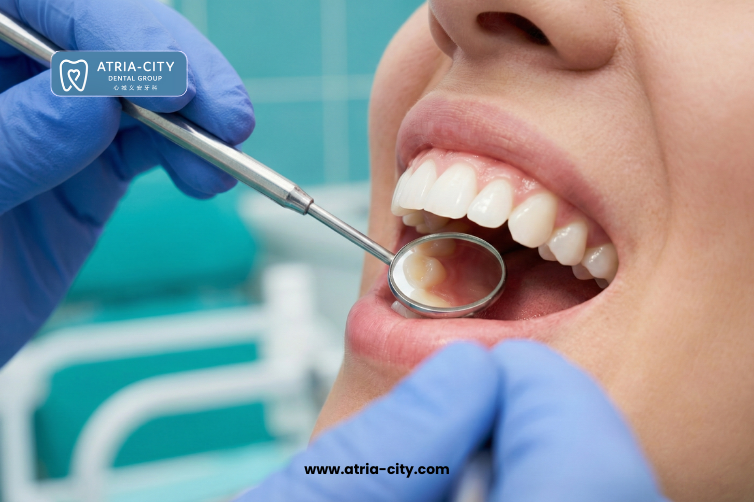
Gum disease, also known as periodontal disease, is one of the most common oral health conditions affecting millions of people worldwide. From mild gingivitis to severe periodontitis, gum disease can lead to tooth loss and has been linked to serious health conditions, including heart disease, diabetes, and stroke.
At Atria-City Dental Group, we believe that healthy gums are the foundation of a healthy smile. This comprehensive FAQ guide answers the 60 most frequently asked questions about gum disease, its causes, treatment options, and prevention strategies in Singapore.
Understanding Gum Disease
1. What is gum disease?
Gum disease is an inflammatory condition affecting the tissues surrounding and supporting teeth, caused primarily by bacterial plaque buildup.
2. What is the difference between gingivitis and periodontitis?
Gingivitis is mild, reversible gum inflammation limited to the gums. Periodontitis is an advanced disease that damages gums, bone, and ligaments supporting teeth, leading to potential tooth loss.
3. How common is gum disease?
Extremely common. Studies show that nearly 50% of adults over 30 have some form of gum disease, with prevalence increasing with age.
4. What causes gum disease?
The primary cause is plaque—a sticky film of bacteria that forms on teeth. Other factors include poor oral hygiene, smoking, genetics, hormonal changes, certain medications, and systemic diseases.
5. Is gum disease contagious?
While the bacteria that cause gum disease can be transmitted through saliva, whether someone develops the disease depends on their immune response and oral hygiene habits.
Signs and Symptoms
6. What are the early signs of gum disease?
Red, swollen, or tender gums, bleeding during brushing or flossing, persistent bad breath, and gum recession are early warning signs.
7. Why do my gums bleed when I brush or floss?
Bleeding gums indicate inflammation caused by plaque buildup. Healthy gums should not bleed during normal brushing and flossing.
8. Is bleeding gums always a sign of gum disease?
While gum disease is the most common cause, bleeding can also result from aggressive brushing, hormonal changes, vitamin deficiencies, or certain medications.
9. What does gum recession look like?
Gum recession makes teeth appear longer as gum tissue pulls away from the tooth surface, exposing more of the tooth or its root.
10. Can gum disease cause tooth sensitivity?
Yes. As gums recede and tooth roots become exposed, sensitivity to hot, cold, and sweet stimuli increases.
11. What is a periodontal pocket?
A pocket forms when gum tissue separates from the tooth, creating a space where bacteria accumulate. Healthy gums have pocket depths of 1-3mm; depths of 4mm or more indicate disease.
12. Can gum disease cause tooth mobility?
Yes. Advanced periodontitis destroys bone support, causing teeth to become loose and eventually fall out if untreated.
13. Does gum disease cause bad breath?
Yes. Bacteria in periodontal pockets produce sulfur compounds that cause persistent bad breath (halitosis) that doesn’t improve with brushing or mouthwash.
14. Can I have gum disease without symptoms?
Yes, especially in the early stages. Some people have minimal symptoms despite significant disease, which is why regular dental check-ups are crucial.
15. What does healthy gum tissue look like?
Healthy gums are pale pink (or naturally darker depending on ethnicity), firm, don’t bleed easily, and fit snugly around teeth without gaps or pockets.
Risk Factors
16. Does smoking increase gum disease risk?
Significantly. Smokers are 2-7 times more likely to develop gum disease and experience more severe disease with poorer treatment outcomes.
17. How does diabetes affect gum health?
Diabetes and gum disease have a bidirectional relationship. Diabetics are more prone to infections including gum disease, and gum disease can make blood sugar harder to control.
18. Can stress cause gum disease?
Stress doesn’t directly cause gum disease but weakens immune response, making it harder for your body to fight bacterial infections, including gum disease.
19. Do genetics play a role in gum disease?
Yes. Up to 30% of the population may be genetically predisposed to severe gum disease despite good oral hygiene habits.
20. Can hormonal changes affect gums?
Yes. Pregnancy, menstruation, and menopause cause hormonal fluctuations that increase gum sensitivity and susceptibility to inflammation.
21. Which medications can affect gum health?
Certain medications including anti-seizure drugs, calcium channel blockers, immunosuppressants, and some oral contraceptives can cause gum overgrowth or increase disease risk.
22. Does poor nutrition contribute to gum disease?
Yes. Deficiencies in vitamin C, vitamin D, calcium, and other nutrients compromise immune function and tissue health, increasing susceptibility to gum disease.
23. Can grinding teeth cause gum problems?
Teeth grinding (bruxism) doesn’t cause gum disease directly but can accelerate tissue and bone destruction in patients who already have periodontal disease.
24. Is gum disease more common in older adults?
Yes, prevalence increases with age, though this is largely due to cumulative effects of risk factors rather than aging itself.
25. Can certain systemic diseases increase gum disease risk?
Yes. Conditions affecting immune function (HIV/AIDS, leukemia), inflammatory diseases (rheumatoid arthritis), and cardiovascular disease are associated with increased gum disease risk.
Diagnosis and Assessment
26. How is gum disease diagnosed?
Through comprehensive examination including visual inspection, probing pocket depths, assessing bleeding and inflammation, taking X-rays to evaluate bone levels, and reviewing medical history.
27. What is periodontal probing?
A procedure where your dentist uses a small measuring instrument to check the depth of spaces (pockets) between gums and teeth.
28. What do pocket depth measurements mean?
1-3mm: Healthy; 4-5mm: Early to moderate periodontitis; 6mm or deeper: Advanced periodontitis requiring intensive treatment.
29. Why are dental X-rays necessary for gum disease diagnosis?
X-rays reveal bone loss around teeth that isn’t visible during visual examination, helping assess disease severity and treatment needs.
30. How often should I be screened for gum disease?
During every routine dental check-up, typically every six months. Patients with gum disease require more frequent monitoring.
Treatment Options
31. Can gum disease be cured?
Gingivitis is completely reversible with proper treatment and oral hygiene. Periodontitis can be controlled and stabilized but the damage (bone loss) is generally permanent.
32. What is scaling and root planing?
Also called deep cleaning, this non-surgical treatment removes plaque and tartar from tooth surfaces above and below the gumline and smooths root surfaces to promote healing.
33. Is scaling and root planing painful?
Local anesthesia numbs the area, so discomfort during the procedure is minimal. Some tenderness afterward is normal and manageable with over-the-counter pain relievers.
34. How many appointments does scaling and root planing require?
Typically 2-4 appointments, depending on disease severity and whether the entire mouth is treated or divided into quadrants.
35. What is periodontal maintenance?
Regular professional cleanings (typically every 3-4 months) for patients who have undergone gum disease treatment to prevent recurrence.
36. Are antibiotics used to treat gum disease?
Sometimes. Antibiotics may be prescribed as adjunct therapy for aggressive or resistant infections, either systemically (oral pills) or locally (placed directly in periodontal pockets).
37. What is laser gum therapy?
Laser-assisted periodontal therapy uses focused light energy to remove diseased tissue and bacteria from periodontal pockets, potentially promoting faster healing with less discomfort.
38. When is gum surgery necessary?
When non-surgical treatments don’t adequately reduce pocket depths or when bone and tissue regeneration procedures are needed to restore support around teeth.
39. What types of gum surgery exist?
Flap surgery (pocket reduction), bone grafting, guided tissue regeneration, soft tissue grafts, and crown lengthening are common procedures.
40. What is gum graft surgery?
A procedure where tissue is taken from the roof of your mouth or a donor source and attached to areas with gum recession to cover exposed roots.
41. How long does gum surgery recovery take?
Initial healing takes 1-2 weeks, with full tissue maturation occurring over several months. Discomfort is typically manageable with prescribed pain medication.
42. Will I lose teeth from gum disease?
Potentially, if left untreated. However, with timely treatment and good oral hygiene, most teeth can be saved even with advanced disease.
43. Can bone lost to gum disease grow back?
In some cases, bone grafting and regenerative procedures can restore some lost bone, though complete regeneration is not always achievable.
44. What is the success rate of gum disease treatment?
Very high when patients follow treatment recommendations and maintain excellent home care. Most patients achieve stable, healthy gums with appropriate therapy.
45. How much does gum disease treatment cost in Singapore?
Basic scaling and polishing: SGD 80-150. Deep cleaning (scaling and root planing): SGD 300-800 per quadrant. Surgical treatments: SGD 1,000-3,000+ depending on complexity.
Prevention and Home Care
46. How can I prevent gum disease?
Brush twice daily with fluoride toothpaste, floss daily, use antimicrobial mouthwash, avoid tobacco, eat a balanced diet, manage stress, and visit your dentist regularly.
47. Is brushing twice a day enough to prevent gum disease?
Brushing is essential but not sufficient alone. Daily flossing removes plaque between teeth where brushing can’t reach, and regular professional cleanings remove hardened tartar.
48. What’s the proper brushing technique for gum health?
Use a soft-bristled brush, angle bristles toward the gumline at 45 degrees, use gentle circular motions, and brush for two minutes covering all surfaces.
49. Should I use an electric or manual toothbrush?
Studies show electric toothbrushes, especially those with rotating-oscillating heads, may be slightly more effective at reducing plaque and gingivitis.
50. How important is flossing for preventing gum disease?
Extremely important. Flossing removes plaque and food particles from between teeth and below the gumline where toothbrush bristles can’t reach.
51. Can mouthwash help prevent gum disease?
Antimicrobial mouthwashes containing chlorhexidine or essential oils can reduce bacteria and inflammation when used as an adjunct to brushing and flossing, not as a replacement.
52. Should I use a water flosser?
Water flossers are effective alternatives or supplements to traditional floss, especially for people with braces, implants, or difficulty using regular floss.
53. How often should I replace my toothbrush?
Every 3-4 months, or sooner if bristles become frayed. Old toothbrushes are less effective and can harbor bacteria.
54. Can diet affect gum health?
Yes. A diet rich in vitamins (especially C and D), calcium, antioxidants, and omega-3 fatty acids supports gum health, while sugary and acidic foods promote bacterial growth.
55. Should I see a periodontist or general dentist for gum disease?
General dentists can treat mild to moderate gum disease. Complex or advanced cases may require referral to a periodontist (gum disease specialist).
Gum Disease and Overall Health
56. Is there a link between gum disease and heart disease?
Research suggests a connection. Chronic inflammation from gum disease may contribute to cardiovascular disease, though the exact mechanisms are still being studied.
57. Can gum disease affect pregnancy outcomes?
Yes. Pregnant women with gum disease have higher risk of preterm birth and low birth weight babies. Maintaining gum health during pregnancy is crucial.
58. How does gum disease impact diabetes management?
Gum disease makes blood sugar harder to control, and poor blood sugar control worsens gum disease, creating a harmful cycle. Treating gum disease improves glycemic control.
59. Can gum disease increase dementia risk?
Emerging research suggests a possible link between chronic gum disease and cognitive decline, though more studies are needed to establish causation.
60. Why choose Atria-City Dental Group for gum disease treatment?
Our experienced team provides comprehensive periodontal care using the latest techniques and technologies. We take a personalized approach, educating patients about their condition and partnering with them to achieve and maintain optimal gum health. With over 30 years of trusted care in Singapore, we’re committed to protecting your smile and your overall health through excellent periodontal treatment.
Protect Your Gums, Protect Your Health
Gum disease is largely preventable and treatable when caught early. Don’t ignore bleeding gums or other warning signs. Early intervention can save your teeth, improve your overall health, and preserve your confident smile for years to come.
Schedule your comprehensive gum health evaluation at Atria-City Dental Group today. Call +65 6737 2777 or visit us at Ngee Ann City, Orchard Road, Singapore. Let our caring team help you achieve healthy gums and a beautiful smile.
Leave a Reply