

Walking into a dental clinic for the first time can feel overwhelming—whether you are a parent preparing your child or an adult who has postponed care. Understanding what to expect transforms anxiety into confidence and sets the foundation for lifelong healthy smiles.
Why Your First Dental Visit Matters
Your initial appointment establishes your oral health baseline, identifies issues before they become painful, and creates a personalized care plan. Early intervention can prevent up to 80% of common dental problems.
For children, timing is crucial. A baby or toddler’s first dental visit should occur when the first tooth appears or by their first birthday. For adults, better oral health begins with the first appointment.
When to Schedule Your First Visit
Infants and Toddlers:
By age one to identify developmental issues and educate parents about proper oral hygiene.
Children:
By age three, when dietary habits begin to form and professional guidance can help prevent decay, which affects 20% of children aged 5–11.
Adults:
If you are new to the area, have not had a dental check recently, or are experiencing discomfort, schedule a comprehensive dental check-up promptly.
What Happens During Your First Appointment
Registration and Welcome
Arrive 15 minutes early to complete medical history forms, including current medications, allergies, previous dental experiences, and insurance paperwork if applicable. This confidential information helps your dental team provide safe, personalized care.
Comprehensive Examination
Your dentist conducts a thorough examination that goes beyond just your teeth:
- Visual Inspection: Checking each tooth for decay, damage, or abnormalities while examining the gums for inflammation or disease.
- Soft Tissue Check: Examining the tongue, cheeks, throat, and neck for unusual lumps or sores that may indicate oral health issues.
- Bite Assessment: Evaluating how your teeth come together, as this affects chewing efficiency and jaw health.
- X-ray Imaging: Revealing hidden issues such as cavities between teeth, bone loss, or impacted teeth not visible to the naked eye.
Professional Cleaning
Many first visits include a cleaning, depending on your oral health status. The dentist or hygienist removes plaque and tartar buildup, polishes your teeth, may apply fluoride treatment, and demonstrates proper brushing and flossing techniques.
Treatment Planning Discussion
Based on the examination findings, your dentist will discuss:
- Your current oral health status
- Issues requiring immediate attention
- Recommended treatments and priorities
- Preventive strategies tailored to your needs
- Cost estimates and insurance coverage
Preparing for Your Appointment: Essential Checklist
Bring These Items:
- Photo identification
- Insurance card (if applicable)
- List of current medications
- Previous dental records (if available)
- Payment method
For Children:
- A favorite comfort item
- A list of concerns you’ve noticed
- Information about diet and oral hygiene routine
Questions to Ask:
- How often should I schedule check-ups?
- What is my current oral health status?
- Are there any areas of concern?
- What preventive measures do you recommend?
Special Considerations by Age Group
Babies and Toddlers (0–3 Years)
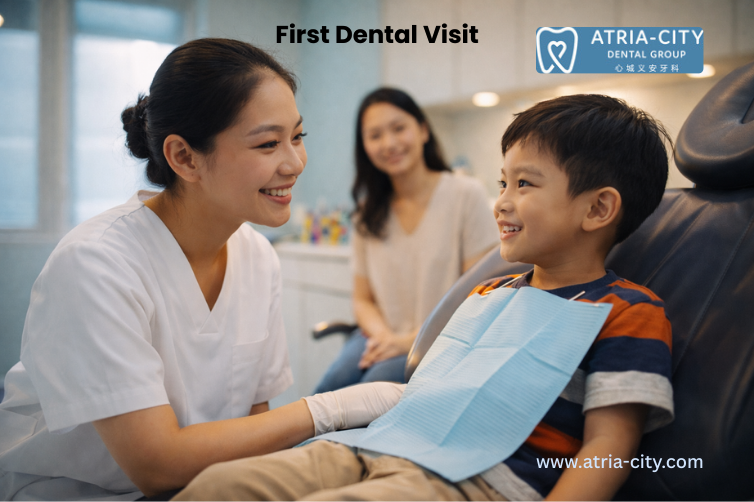
A baby or toddler’s first dental visit is typically brief and assessment-focused. Parents learn about teething timelines, preventing baby bottle tooth decay, appropriate fluoride use, transitioning from bottle to cup, and thumb-sucking concerns. The dentist examines your child’s mouth while they sit on your lap, creating a comfortable and non-threatening experience.
School-Age Children (4–12 Years)
Appointments become more interactive. Children sit independently in the dental chair, and dentists use age-appropriate language. This group may require dental sealants, orthodontic assessments, cavity treatment, and nutritional counseling.
Teenagers (13–18 Years)
Adolescent visits often address wisdom teeth monitoring, orthodontic treatment options, sports mouthguard fitting, oral hygiene with braces, and the impact of diet on oral health.
Adults (18+ Years)
Adult first visits are comprehensive and may reveal accumulated concerns, including gum disease, worn teeth from grinding, old fillings needing replacement, missing teeth requiring restoration, or jaw joint disorders.
Overcoming Dental Anxiety
- Communicate Your Concerns: Inform the dental team about your anxiety.
- Bring Support: A trusted friend or family member can provide comfort.
- Use Relaxation Techniques: Deep breathing, visualization, or listening to music can help manage stress.
- Start Small: Schedule a consultation before undergoing treatment if anxiety is severe.
Finding the Right Dental Home
When choosing a dental clinic, consider:
- Credentials and experience
- Range of services offered
- Modern technology and techniques
- Welcoming office atmosphere
- Convenient location and accessibility
- Transparent payment options
What Makes a First Visit Successful
- Establishes Trust
- Provides Clarity
- Creates Partnership
- Reduces Anxiety
- Motivates Action
Building Healthy Habits After Your Visit
Maintain oral health by:
- Brushing twice daily for two minutes with fluoride toothpaste
- Flossing daily
- Limiting sugary and acidic foods
- Scheduling regular check-ups (typically every six months)
- Wearing mouthguards during sports
- Addressing teeth grinding promptly
The Long-Term Value of Preventive Care
Preventive dentistry is the most cost-effective approach to oral health. Regular visits help:
- Prevent minor issues from becoming major treatments
- Reduce the risk of gum disease and tooth loss
- Detect oral cancer early
- Lower overall dental expenses over time
Common First Visit Questions
Will it hurt?
Examinations and cleanings are generally painless, though mild sensitivity is possible.
How long will it take?
Plan for 45-60 minutes for a comprehensive first visit.
What if problems are found?
Your dentist will explain options and help prioritize care.
Taking the First Step
The hardest part is often making that first appointment. Dental professionals are there to help—not judge.
Your mouth is the gateway to overall health. By prioritizing that first visit, you’re investing in your health, comfort, and confidence.
Your smile is worth it. Your health is worth it. You are worth it.
Leave a Reply