

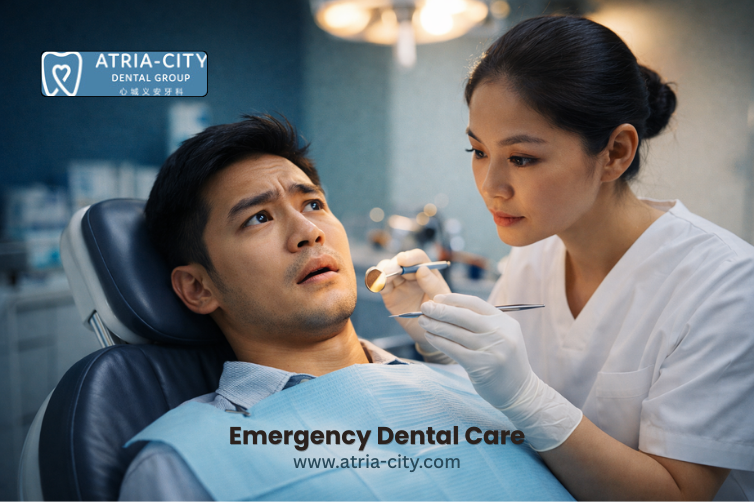
Dental emergencies never happen at convenient times. A knocked-out tooth during weekend sports, severe midnight toothache, or cracked tooth while eating dinner—these situations demand immediate action. Knowing how to respond in critical first moments can mean the difference between saving and losing a tooth, or between manageable discomfort and serious infection.
Understanding Dental Emergencies
Not every dental issue requires urgent care, but some demand immediate attention. True dental emergencies include severe uncontrolled pain that doesn’t respond to over-the-counter medication, completely knocked-out teeth (the most time-sensitive emergency with success rates dropping after 30 minutes), significant uncontrolled bleeding, facial swelling affecting breathing or swallowing, suspected jaw fracture or dislocation, and dental abscesses with painful pus-filled swelling that can spread infection.
Common Emergencies and First Aid
Knocked-Out Permanent Tooth
Immediate Actions:
- Find the tooth and pick it up by the crown (white part), never the root
- Gently rinse with water if dirty—don’t scrub or remove attached tissue
- Try reinserting the tooth into its socket immediately
- If reinsertion isn’t possible, keep tooth moist by placing it between cheek and gum, storing in milk (not water), or using tooth preservation kit
Timeline: See a dentist within 30 minutes for best tooth-saving chances. Every minute counts.
Professional Care: Your dentist cleans the area, reinserts the tooth if necessary, splints it to adjacent teeth while healing, and may perform root canal treatment later.
Understanding when to seek emergency dental care in Singapore prevents permanent tooth loss in these critical situations.
Cracked or Fractured Tooth
Fractures range from minor enamel chips to severe breaks extending into the nerve.
Immediate Actions:
- Rinse mouth with warm water
- Apply cold compress to reduce swelling
- Save any broken pieces
- Cover sharp edges with dental wax or sugarless gum protecting tongue and cheeks
- Avoid chewing on that side
- Take over-the-counter pain medication if needed
When to Seek Help:
- Immediately if fracture exposes pink tissue (pulp)
- Within 24 hours for cracks extending below gum line
- As soon as possible for any fracture causing pain or sensitivity
Professional treatment for cracked tooth varies by severity. Minor chips might need simple smoothing or bonding, while deeper cracks may require crowns, root canals, or extraction.
Severe Toothache
Tooth pain stems from various causes—decay, infection, gum disease, grinding, or impacted teeth.
Immediate Relief:
- Rinse with warm salt water (1/2 teaspoon salt in 8 oz water)
- Floss gently removing trapped food particles
- Apply cold compress to outside of cheek
- Take over-the-counter pain medication as directed
- Avoid extremely hot, cold, or sweet foods
Red Flags Requiring Urgent Care:
- Pain with fever or swelling
- Swelling spreading to face or neck
- Difficulty breathing or swallowing
- Severe pain unresponsive to medication
- Pain following recent dental work
What Not to Do:
- Never apply aspirin directly to gums (causes chemical burns)
- Avoid heat, which worsens infection
- Don’t ignore persistent pain hoping it resolves
Accessing emergency dental services in Singapore promptly ensures proper diagnosis and treatment before minor issues escalate.
Lost Filling or Crown
Losing a restoration exposes sensitive tooth structure and compromises strength.
Immediate Actions:
- Keep the crown if you find it
- Clean it gently
- Try slipping it back over the tooth using dental cement or toothpaste as temporary adhesive
- If unsuccessful, store it safely and bring to your dentist
- Cover exposed tooth with dental wax or sugarless gum
- Avoid chewing on that side
Your dentist assesses whether the crown can be re-cemented or if new restoration is needed. Treatment delays risk further tooth damage or decay.
Dental Abscess
An abscess is a pus pocket from bacterial infection—not just painful but potentially dangerous.
Warning Signs:
- Severe, throbbing toothache
- Hot and cold sensitivity
- Fever
- Swollen lymph nodes
- Foul taste in mouth
- Facial swelling
Immediate Actions:
- Rinse with mild salt water several times daily
- Take over-the-counter pain medication
- Seek dental care immediately—abscesses don’t resolve without treatment
Untreated dental infections can spread to jaw, neck, head, or other body parts. Rarely, they lead to sepsis, a life-threatening condition.
Soft Tissue Injuries
Lip, cheek, gum, or tongue injuries can cause significant bleeding.
Immediate Actions:
- Rinse mouth with mild salt water
- Apply pressure with gauze or clean cloth for 10-15 minutes
- Use cold compress to reduce swelling and slow bleeding
- If bleeding doesn’t stop, go to emergency room
Stitches may be needed if the cut is deep or long, edges don’t stay together, or bleeding continues despite pressure.
Object Stuck Between Teeth
Safe Removal:
- Try gentle flossing—never force it
- Use interdental brushes if appropriate
- Rinse vigorously with water
What Not to Do:
- Never use sharp objects like pins, needles, or knives
- Avoid excessive force damaging gums or teeth
If you can’t remove the object, see a dentist. Leaving it causes pain, infection, or damage to surrounding teeth.
When Tooth Extraction is Necessary
Tooth extraction is typically a last resort when teeth can’t be saved. Emergency extractions might be necessary for severely damaged teeth beyond repair, advanced decay affecting tooth structure, impacted wisdom teeth causing severe pain or infection, overcrowding requiring removal for orthodontic treatment, or teeth with severe periodontal disease.
However, extraction decisions shouldn’t be hasty during emergencies unless absolutely necessary. Often, proper treatment saves teeth initially seeming beyond repair.
Creating Your Emergency Kit
Being prepared minimizes panic. Your kit should include dentist’s emergency contact information, small container with lid for storing knocked-out teeth, gauze pads, small flashlight, disposable gloves, dental wax or temporary filling material, pain reliever, cold compress, salt for rinses, and dental floss. Optional but helpful items include tooth preservation solution, oral anesthetic gel, small mirror, and tweezers.
Keep kits accessible at home, and consider smaller versions for car and workplace.
Prevention: The Best Emergency Treatment
While you can’t prevent all emergencies, you can significantly reduce risk by wearing mouthguards during contact sports, using proper techniques when opening packages (never use teeth as tools), avoiding chewing ice, hard candy, or popcorn kernels, not biting nails, brushing twice daily with fluoride toothpaste, flossing daily, visiting your dentist regularly, and addressing dental problems promptly before they become emergencies.
Be mindful of risk factors—old fillings or crowns may fail and need monitoring, teeth with previous root canals need regular evaluation, and grinding or clenching weakens teeth requiring nightguard use if recommended.
Navigating After-Hours Emergencies
Dental emergencies don’t follow business hours. When urgent issues arise outside normal hours, contact your dentist first. Many practices have emergency protocols and after-hours numbers. Your dentist may provide phone guidance for managing symptoms until you can be seen, meet you at the office for true emergencies, or direct you to an on-call dentist.
Some areas have dedicated emergency dental services in Singapore operating evenings and weekends specifically for urgent care. For life-threatening situations—uncontrolled bleeding, severe swelling affecting breathing, or jaw fractures—go to the nearest emergency room. However, understand that ERs provide stabilization and pain management but typically can’t provide definitive dental treatment.
What to Expect During Emergency Visits
When you arrive for emergency dental care in Singapore, the process typically includes triage assessment evaluating your condition’s urgency and severity, immediate pain management through local anesthesia or medications, examination and diagnosis with visual inspection possibly including X-rays, emergency treatment addressing the immediate problem, and follow-up planning since many emergency treatments are temporary solutions.
Special Considerations for Children
Children experience dental emergencies differently than adults. When a child sustains trauma, stay calm—your reaction influences their response. Assess the situation determining whether the injured tooth is baby or permanent (baby teeth aren’t typically reimplanted if knocked out). Contact your pediatric dentist—even seemingly minor injuries to baby teeth can affect developing permanent teeth underneath. Manage pain and anxiety with age-appropriate comfort measures and relief while awaiting professional care.
Cost Factors in Emergencies
Emergency dental care costs vary based on treatment complexity, timing, and insurance coverage. Most dental insurance plans cover at least a portion of emergency care. Check your policy for emergency visit coverage, after-hours fees, and specific procedure coverage.
Many dental practices offer payment plans for emergency care. Don’t let cost concerns delay treatment—untreated emergencies typically become more expensive. Prevention saves money—regular preventive care costs significantly less than emergency treatment for advanced problems.
Making Informed Decisions Under Pressure
Dental emergencies require quick decisions, but you’re entitled to clear information. Ask questions about what’s causing the problem, treatment options, what happens if you delay treatment, expected outcomes, and what the procedure involves.
Understand urgency—distinguish between “must be treated immediately” versus “should be treated soon.” Some issues genuinely require instant action, while others allow time to explore options. For non-urgent recommendations made during emergency visits, you can request time to consider options or consult another dentist.
Recovery and Follow-Up
After emergency treatment, follow instructions carefully as your dentist provides specific aftercare guidelines. Following them prevents complications and promotes healing. Watch for warning signs including increasing pain or swelling, fever, bleeding that restarts, or allergic reactions to medications.
Complete recommended treatment as emergency care often provides temporary solutions. Schedule and attend follow-up appointments for comprehensive treatment. Address underlying issues—if your emergency resulted from preventable causes like grinding, old restorations, or neglected decay, work with your dentist addressing these problems.
Empowerment Through Preparation
Dental emergencies can be frightening, but knowledge and preparation empower effective response. Remember that most dental emergencies have better outcomes when treated promptly, having emergency contacts and supplies ready reduces panic, professional guidance is always available when needed, and many seemingly devastating situations can be successfully resolved with proper care.
Whether you’re dealing with treatment for cracked tooth or facing unexpected tooth extraction, remember your dental team is trained to handle these situations. Don’t hesitate reaching out for emergency dental services in Singapore when needed.
Your quick, informed response during critical first moments can save your tooth, prevent complications, and ensure the best possible outcome. Keep emergency contact information accessible, maintain a well-stocked emergency kit, and never hesitate seeking professional care when dental emergencies arise. Prevention remains the best strategy, but when the unexpected happens, you’re now prepared to handle it confidently and effectively.
Leave a Reply