

Stainless Steel Crowns for Children in SingaporeDurable Protection for Severely Damaged Baby Teeth
Stainless steel crowns for children represent the gold standard in pediatric restorative dentistry for severely decayed or damaged baby teeth, providing unmatched durability and comprehensive protection that preserves primary teeth until natural exfoliation. At Atria-City Dental Group, we have been placing high-quality stainless steel crowns for children in Singapore for over 25 years, helping thousands of families restore severely compromised baby teeth with proven, cost-effective solutions that maintain proper dental function and development throughout childhood.
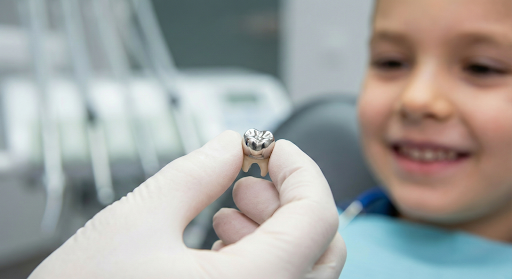
Understanding when and why stainless steel crowns for children are necessary empowers parents to make informed decisions about restorative treatments that can save severely damaged baby teeth from premature loss. These prefabricated metal crowns offer exceptional durability, complete tooth coverage, and superior longevity compared to large fillings or other restorative alternatives, making them the treatment of choice for extensively decayed or damaged primary teeth that require full-coverage restoration to last until natural shedding occurs.
Baby teeth play crucial roles in chewing, speech development, proper jaw growth, and maintaining space for permanent teeth, making their preservation essential until they are naturally replaced by adult teeth around ages 6-13. Stainless steel crowns for children provide the most reliable method for preserving severely damaged baby teeth, ensuring that children maintain proper oral function and development despite extensive decay or damage that would otherwise result in premature tooth loss and potential complications.
Understanding Stainless Steel Crowns for Children
What Are Pediatric Stainless Steel Crowns?
Stainless steel crowns for children are prefabricated, tooth-shaped caps made from medical-grade stainless steel that are custom-fitted and cemented over severely decayed or damaged baby teeth to restore their shape, size, and function. These crowns come in various sizes to fit different primary teeth, and our experienced pediatric dentists carefully select and adjust each crown to ensure optimal fit, comfort, and function for every individual child.
The design of stainless steel crowns for children incorporates features specifically tailored to pediatric dental needs, including appropriate thickness to withstand chewing forces, proper contours to maintain natural tooth anatomy, and cervical margins that sit comfortably at the gumline without causing irritation. These crowns are specifically engineered to protect and preserve baby teeth until they naturally exfoliate as permanent teeth emerge, typically remaining functional for 5-10 years depending on when they are placed and which tooth is crowned.
Why Stainless Steel Crowns Excel in Pediatric Dentistry
Stainless steel crowns for children have been used successfully in pediatric dentistry since the 1950s, establishing an exceptional track record of durability, longevity, and clinical success that surpasses all other restorative options for extensively damaged baby teeth. Their superior performance stems from complete tooth coverage that eliminates exposed surfaces where new decay could develop, exceptional strength that withstands the considerable forces of chewing, and corrosion resistance that maintains integrity in the moist oral environment.
Research consistently demonstrates that stainless steel crowns for children outlast large composite or amalgam fillings by significant margins, particularly in teeth that have undergone pulp therapy or sustained extensive decay affecting multiple tooth surfaces. The American Academy of Pediatric Dentistry recognizes stainless steel crowns as the restoration of choice for severely damaged primary teeth, reflecting their proven effectiveness and reliability in maintaining primary tooth function until natural exfoliation.
When Stainless Steel Crowns Are Recommended
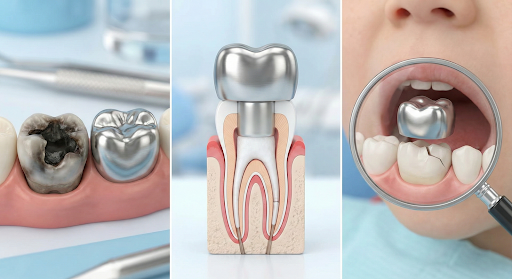
Extensive Tooth Decay Requiring Full Coverage
Stainless steel crowns for children become necessary when cavities are so large that conventional fillings cannot provide adequate restoration and protection for the remaining tooth structure. When decay affects multiple tooth surfaces, extends deep into the tooth, or compromises significant portions of the tooth’s structural integrity, stainless steel crowns offer the only restorative option that can reliably preserve the tooth until it naturally sheds.
Our pediatric specialists carefully evaluate the extent of decay and remaining healthy tooth structure when determining whether stainless steel crowns are necessary or if less extensive restorations might suffice. This professional assessment ensures that children receive appropriate treatment that balances tooth preservation with long-term durability and success rates. Attempting to restore extensively decayed teeth with large fillings often leads to restoration failure and repeated treatments, making stainless steel crowns the most effective choice from both clinical and practical perspectives.
Following Pulp Therapy Procedures
When baby teeth develop decay that reaches the pulp (nerve) tissue inside the tooth, pulp therapy procedures like pulpotomy or pulpectomy become necessary to remove infected tissue and preserve the tooth. After pulp therapy, stainless steel crowns for children are strongly recommended because the remaining tooth structure is significantly weakened and more susceptible to fracture under normal chewing forces.
Teeth that have undergone pulp therapy lose significant structural integrity and become much more brittle than untreated teeth, making them prone to breaking if restored with conventional fillings. Stainless steel crowns provide comprehensive protection that prevents fracture and ensures that pulp-treated teeth remain functional until natural exfoliation. Studies demonstrate dramatically higher success rates for pulp-treated teeth restored with stainless steel crowns compared to those restored with fillings, making crowns the standard of care following pediatric pulp therapy.
Teeth with Developmental Defects or Damage
Stainless steel crowns for children are also indicated for baby teeth with significant developmental defects, such as severe enamel hypoplasia or hypocalcification, that compromise tooth structure and increase vulnerability to decay and fracture. These crowns provide protective coverage that allows developmentally defective teeth to function normally until they are naturally replaced by permanent teeth.
Additionally, baby teeth that have sustained significant trauma, such as large fractures or cracks, may require stainless steel crown restoration to preserve tooth function and prevent infection or premature loss. The comprehensive coverage provided by stainless steel crowns ensures that damaged teeth can continue serving their important roles in chewing, speech, and space maintenance despite structural compromise.
Benefits of Stainless Steel Crowns for Children
Exceptional Durability and Longevity
The primary advantage of stainless steel crowns for children is their exceptional durability and ability to withstand years of normal chewing forces without breaking, chipping, or wearing down. Unlike large fillings that may fracture under stress or require replacement after several years, stainless steel crowns typically last until the crowned tooth naturally exfoliates, eliminating the need for repeated restorative procedures and additional dental appointments.
This superior longevity makes stainless steel crowns for children highly cost-effective despite slightly higher initial costs compared to fillings. The one-time restoration approach saves families time, money, and stress associated with filling replacements while ensuring continuous tooth function throughout the years that baby teeth serve critical developmental roles.
Complete Tooth Protection Against Future Decay
Stainless steel crowns for children provide 360-degree coverage that completely seals the entire tooth surface, eliminating any exposed areas where new cavities could develop. This comprehensive protection is particularly valuable for children with high cavity risk due to dietary habits, oral hygiene challenges, or genetic factors that make them susceptible to rapid decay development.
The complete seal created by stainless steel crowns means that crowned teeth are essentially immune to new decay, allowing parents and children to focus cavity prevention efforts on other teeth while knowing that crowned teeth are fully protected. This reassurance proves especially valuable for families dealing with extensive dental problems or children who struggle with consistent oral hygiene practices.
Reliable Function and Space Maintenance
Stainless steel crowns for children restore full chewing function to severely damaged teeth, allowing children to eat comfortably and maintain proper nutrition despite extensive decay. The strength and durability of these crowns ensure that children can chew normally on crowned teeth without restrictions, supporting healthy eating habits and proper growth and development.
Additionally, stainless steel crowns preserve baby teeth that serve as natural space maintainers for developing permanent teeth beneath the gums. Premature loss of baby teeth can allow adjacent teeth to shift into the empty space, potentially causing crowding and orthodontic problems when permanent teeth attempt to erupt. Preserving baby teeth with stainless steel crowns maintains proper spacing and reduces the likelihood of requiring extensive orthodontic treatment later.
The Stainless Steel Crown Procedure
Preparation and Tooth Reduction
The process of placing stainless steel crowns for children begins with gentle local anesthesia to ensure complete comfort throughout the procedure. Our pediatric team uses child-friendly techniques and compassionate approaches that help children feel secure and comfortable despite the need for anesthesia and more extensive treatment than simple fillings require.
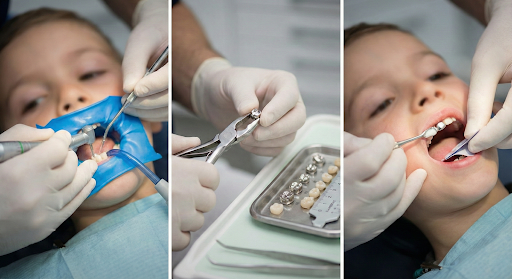
Once the tooth is properly anesthetized, our pediatric dentist carefully removes all decayed tooth structure and shapes the remaining healthy tooth to accommodate the stainless steel crown. This tooth preparation involves reducing the tooth’s height and tapering the sides to create space for the crown while maintaining adequate tooth structure to support the restoration. If pulp therapy is necessary, this procedure is completed before crown preparation begins.
Crown Selection and Fitting
After tooth preparation, stainless steel crowns for children are selected from available sizes to find the best fit for the prepared tooth. Our pediatric dentists carefully evaluate fit, contours, and margins to ensure optimal adaptation to the tooth and surrounding tissues. Minor adjustments are made using specialized crown-crimping instruments to customize the crown for each individual tooth.
The selected and adjusted crown is tried on the prepared tooth to verify proper fit, comfortable bite, and appropriate contact with adjacent teeth. This trial fitting ensures that the final cemented crown will function properly and feel comfortable in the child’s mouth. Additional adjustments are made as needed until optimal fit is achieved.
Cementation and Final Adjustments
Once the crown fits properly, stainless steel crowns for children are permanently cemented using specialized dental cement that bonds the crown to the prepared tooth structure. Our pediatric dentist carefully removes excess cement from around the crown margins to prevent gum irritation while ensuring secure crown retention that will last until the tooth naturally exfoliates.
After cementation, final bite adjustments are made to ensure comfortable, proper occlusion that doesn’t interfere with normal jaw function or cause discomfort during chewing. The entire crown placement process typically takes 20-40 minutes per tooth, making it a relatively quick procedure that can often restore multiple teeth during a single appointment.
Caring for Stainless Steel Crowns
Post-Placement Care and Expectations
Immediately following stainless steel crown placement, children may experience mild gum tenderness around the crowned tooth that typically resolves within a few days as tissues adjust to the restoration. Over-the-counter children’s pain medication can provide relief if needed, though most children experience minimal discomfort after the anesthesia wears off.
The gum tissue around newly placed stainless steel crowns for children may appear slightly puffy or inflamed initially, but this temporary response resolves quickly as the gums adapt to the crown margins. Parents should watch for persistent pain, swelling, or fever that could indicate complications requiring professional attention, though such issues are extremely rare with properly placed stainless steel crowns.
Ongoing Maintenance and Oral Hygiene
Stainless steel crowns for children require the same basic oral hygiene care as natural teeth: thorough twice-daily brushing with fluoride toothpaste and daily flossing when teeth are touching. These routine hygiene practices help maintain healthy gum tissues around crowned teeth and prevent decay from developing on other teeth in the mouth.
Children with stainless steel crowns should avoid extremely sticky or chewy foods like caramels, taffy, gummy candies, and chewing gum that could potentially dislodge crowns from teeth. While properly cemented crowns rarely become dislodged, avoiding these problem foods provides additional security and peace of mind. Normal dietary choices pose no problems for stainless steel crowns, which can withstand typical chewing forces without damage.
Monitoring and Professional Care
Regular dental checkups every six months allow our pediatric team to monitor stainless steel crowns for proper function, gum health around crowned teeth, and natural exfoliation timing as permanent teeth prepare to emerge. Professional cleanings during these appointments help maintain optimal oral health while ensuring that crowned teeth continue functioning properly until they naturally shed.
Parents should contact our Singapore clinic if stainless steel crowns become loose or dislodged, though this occurs rarely with properly placed restorations. If crown dislodgement occurs, the crown should be saved and brought to the appointment, as recementation is often possible if the tooth remains in good condition.
Preserving Baby Teeth with Proven Solutions
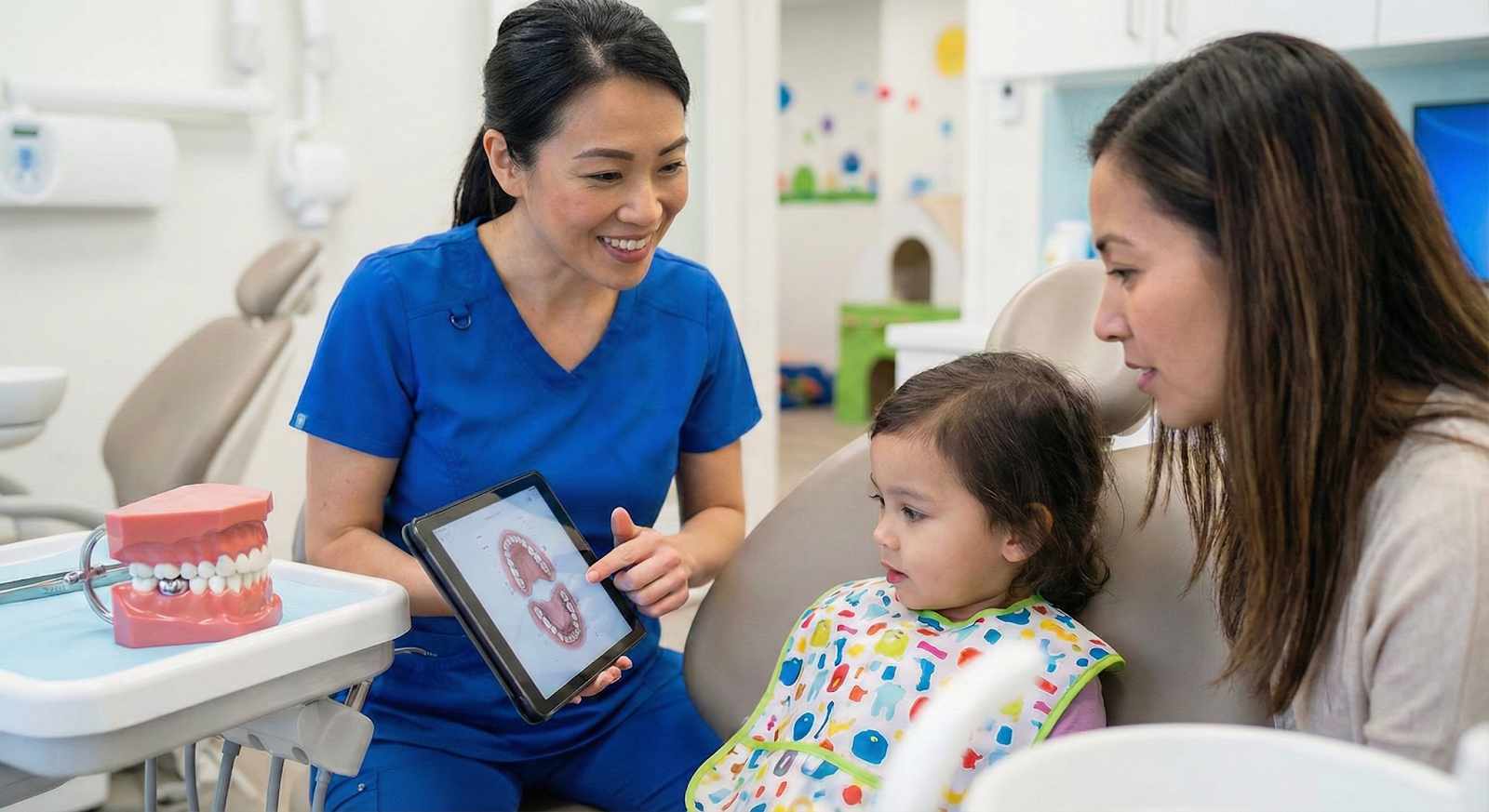
Stainless steel crowns for children represent the most reliable, durable, and cost-effective solution for preserving severely decayed or damaged baby teeth until they are naturally replaced by permanent teeth. At Atria-City Dental Group, our extensive experience with pediatric crown placement ensures optimal outcomes that maintain proper dental function, support healthy development, and prevent premature tooth loss complications that could affect permanent teeth and long-term oral health.
The proven track record of stainless steel crowns in pediatric dentistry reflects decades of successful tooth preservation in countless children worldwide. Our commitment to using this gold-standard restoration when clinically indicated ensures that children receive treatment approaches supported by extensive research and clinical experience, providing families with confidence that severely damaged baby teeth can be saved effectively and reliably.
Trust your child’s complex restorative dental needs to Singapore’s leading pediatric dental specialists. Contact Atria-City Dental Group today to learn more about stainless steel crowns and discover how this proven treatment can preserve your child’s severely damaged baby teeth while maintaining proper function and development until permanent teeth naturally emerge.
FAQs About Stainless Steel Crowns
Yes, stainless steel crowns for children are completely safe and have been used successfully in pediatric dentistry for over 70 years. The medical-grade stainless steel contains no harmful materials and is well-tolerated by oral tissues. These crowns are the American Academy of Pediatric Dentistry’s recommended restoration for severely decayed baby teeth.
While stainless steel crowns are silver in appearance, many children wear them proudly as “special teeth” or “superhero teeth.” For front teeth where aesthetics are particularly important, tooth-colored alternative crowns like zirconia may be appropriate. Our pediatric team can discuss aesthetic options based on each child’s specific situation and concerns.
Stainless steel crowns for children typically last until the crowned tooth naturally exfoliates as permanent teeth emerge, which can be 5-10 years depending on the child’s age at placement and which tooth is crowned. These crowns rarely fail or require replacement before natural tooth loss occurs.
True allergies to stainless steel are extremely rare. However, children with known nickel allergies may need alternative crown materials like zirconia. Our pediatric team carefully reviews medical histories to identify any potential allergy concerns before recommending stainless steel crowns.
Stainless steel crowns fall out naturally along with the baby tooth as permanent teeth erupt, just like uncr owned baby teeth do. The crown and tooth shed together as a single unit, requiring no special procedures or intervention. Parents can expect normal, natural exfoliation despite the presence of the crown.