

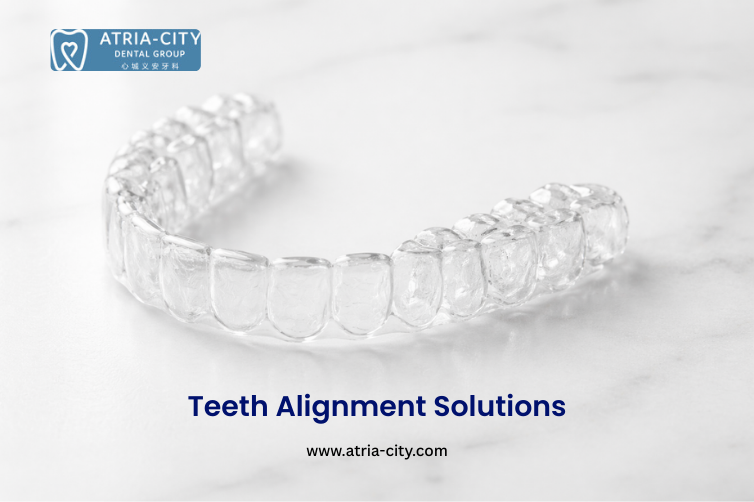
Crooked, crowded, or misaligned teeth affect more than just your smile’s appearance. They can impact your bite, jaw function, oral hygiene effectiveness, and even your confidence. The desire for straighter teeth is universal—but confusion about modern alignment options often leaves people uncertain about which solution is right for them.
The orthodontic landscape has evolved dramatically beyond traditional metal braces. Today’s teeth-straightening technologies offer effective, often nearly invisible solutions that fit various lifestyles, budgets, and alignment needs. Understanding your options empowers you to make informed decisions about achieving the straight, healthy smile you’ve always wanted.
Why Straight Teeth Matter
The benefits of proper teeth alignment extend far beyond aesthetics.
Oral Health Benefits
Easier Cleaning: Straight teeth are significantly easier to clean effectively. Crowded or crooked teeth create hard-to-reach areas where plaque and bacteria accumulate, increasing the risk of cavities and gum disease.
Reduced Wear and Tear: Properly aligned teeth distribute chewing forces evenly. Misalignment causes uneven wear that can lead to chips, cracks, and premature tooth loss.
Healthier Gums: When teeth fit together correctly, gum tissue fits more securely around them, providing better protection against periodontal disease.
Functional Improvements
Better Bite Function: Correct alignment improves chewing efficiency and digestion while reducing jaw strain.
Speech Enhancement: Certain alignment issues affect pronunciation. Straightening teeth can improve speech clarity.
Reduced TMJ Problems: Misaligned teeth can contribute to temporomandibular joint (TMJ) disorders, causing jaw pain, headaches, and clicking sounds.
Psychological and Social Benefits
Increased Confidence: A straight smile boosts self-esteem in social and professional situations.
Positive First Impressions: Studies show that people with straight teeth are often perceived as more successful, intelligent, and trustworthy.
Reduced Self-Consciousness: Many people with crooked teeth report hiding their smiles or avoiding photos—straightening eliminates these limitations.
Understanding Misalignment Types
Before exploring treatment options, it’s helpful to understand common alignment issues:
- Crowding: Insufficient space causes teeth to overlap, twist, or push forward or backward.
- Spacing: Gaps between teeth occur when there is too much room or teeth are missing.
- Overbite: Upper front teeth protrude significantly over lower teeth.
- Underbite: Lower teeth extend beyond upper teeth when biting down.
- Crossbite: Some upper teeth sit inside the lower teeth rather than outside.
- Open bite: Upper and lower teeth don’t meet when biting down.
Most people have some degree of misalignment. The severity determines which treatment options are most appropriate.
Traditional Fixed Braces: The Gold Standard
Metal braces have straightened teeth for over a century and remain an excellent option for complex cases.
How They Work
Fixed braces apply controlled pressure to gradually move teeth into proper position. They use:
- Brackets: Small metal or ceramic squares bonded to each tooth
- Archwires: Thin metal wires connecting the brackets
- Ligatures: Tiny rubber bands holding wires in brackets (or self-ligating brackets that don’t require elastics)
The orthodontist adjusts wire tension during regular appointments (typically every 4–8 weeks), progressively moving teeth toward ideal positions.
Advantages of Traditional Braces
Effectiveness: Braces can correct virtually any alignment issue, from simple to extremely complex. They’re particularly effective for:
- Severe crowding or spacing
- Significant bite problems
- Rotating teeth into position
- Moving roots—not just crowns
Reliability: Because they’re fixed in place, braces work 24/7 without requiring patient compliance beyond maintaining good oral hygiene.
Cost-Effectiveness: Traditional metal braces typically cost less than newer alternatives while delivering excellent results.
No Lost Appliances: Since you can’t remove braces, there’s no risk of losing or misplacing them.
Considerations
- Visibility: Metal braces are noticeable, which concerns some adults and teenagers.
- Dietary Restrictions: Hard, sticky, and chewy foods must be avoided to prevent bracket damage.
- Oral Hygiene Challenges: Brushing and flossing require extra time and special tools to clean around brackets and wires effectively.
- Discomfort: Adjustments can cause temporary soreness. Brackets and wires may initially irritate cheeks and lips.
- Treatment Duration: Braces typically remain in place for 18–36 months, depending on case complexity.
Ceramic Braces: A More Aesthetic Option
Ceramic braces function identically to metal braces but use tooth-colored or clear brackets that blend with natural teeth.
Advantages
- Less Noticeable: Clear or tooth-colored brackets are far less visible than metal, offering a compromise between effectiveness and aesthetics.
- Same Effectiveness: Ceramic braces correct alignment issues just as effectively as metal braces.
Considerations
- Slightly higher cost than metal alternatives
- Potential staining: While brackets resist staining, elastic ligatures can discolor between adjustments if you consume staining foods or beverages
- Durability concerns: Ceramic brackets are more brittle than metal, though modern versions are durable with proper care
Clear Aligners: The Revolutionary Alternative
Clear aligners have transformed orthodontics, offering a nearly invisible way to straighten teeth.
How Clear Aligners Work
- Your orthodontist takes impressions, photos, and X-rays.
- Advanced computer software creates a 3D treatment plan showing how your teeth will move.
- Custom aligners are manufactured based on this plan.
- You wear each set for 1–2 weeks, 20–22 hours daily.
- Each aligner applies controlled pressure to specific teeth.
- You progress through the series (typically 10–50 sets) until treatment completion.
Advantages of Clear Aligners
- Aesthetics: Clear aligners are virtually invisible. Most people won’t notice you’re undergoing orthodontic treatment.
- Removability: You can remove aligners for:
- Eating (no dietary restrictions)
- Important events
- Brushing and flossing
- Special occasions like weddings or presentations
- Comfort: Smooth plastic aligners typically cause less irritation than brackets and wires.
- Fewer Emergency Appointments: With no brackets to break or wires to poke, urgent visits are rare.
- Predictability: Computer-generated plans show expected results before treatment begins and track progress throughout.
- Convenience: Check-ups may occur less frequently (every 6–12 weeks) than with braces.
Considerations
- Compliance Required: Aligners only work when worn 20–22 hours daily. Non-compliance can extend treatment time or compromise results.
- Not for All Cases: Some complex cases still require traditional braces.
- Discipline Needed: Forgetting aligners at restaurants or accidentally discarding them is a real risk.
- Cost: Often similar to or higher than traditional braces.
- Treatment Duration: Mild to moderate cases typically take 6–18 months; complex cases may take longer.
Comparing Options: Which Is Right for You?
Choose Traditional Braces If:
- Your case is complex or severe
- You prefer not to worry about compliance
- Budget is a primary concern
- You don’t mind visible appliances
Choose Ceramic Braces If:
- You want traditional effectiveness with improved aesthetics
- Your case requires fixed appliances
- You’re willing to invest slightly more
Choose Clear Aligners If:
- Your alignment issues are mild to moderate
- Aesthetics are a high priority
- You’re disciplined about wear time
- You value removability
- Frequent orthodontic visits are challenging
The Treatment Process
Initial Consultation
Your orthodontist will:
- Examine your teeth, bite, and jaw
- Take X-rays and photographs
- Possibly take impressions or digital scans
- Discuss your concerns and goals
- Recommend treatment options
- Provide timeline and cost estimates
This is your opportunity to ask questions and fully understand your options.
Active Treatment
Braces: Placement appointment (1–2 hours), adjustments every 4–8 weeks, possible elastics or additional appliances.
Clear Aligners: Receive several aligner sets, change them every 1–2 weeks at home, check-ups every 6–12 weeks, possible refinement aligners near the end.
Retention Phase
This critical phase maintains your results. After active treatment, you’ll receive retainers to hold teeth in their new positions. Initially, they’re worn full-time (except when eating), then transitioned to nighttime wear. Long-term—often lifelong—retainer use prevents shifting.
Skipping retention is the primary reason teeth return to their original positions.
Maintaining Oral Health During Treatment
With Braces
- Brush after every meal and snack
- Use a soft-bristled brush at a 45-degree angle
- Floss daily with floss threaders or orthodontic floss
- Avoid hard, sticky, chewy foods
With Clear Aligners
- Rinse aligners every time you remove them
- Clean daily with a soft toothbrush and clear antibacterial soap
- Never use hot water
- Brush and floss before reinserting
- Store aligners in their case
Cost Considerations and Financial Planning
Orthodontic treatment is an investment in your health and confidence. Costs vary based on:
- Treatment type and complexity
- Geographic location
- Orthodontist experience
- Treatment duration
Payment Options:
- Dental insurance may cover a portion
- Many practices offer interest-free payment plans
- HSA/FSA funds can reduce effective cost
Long-Term Value:
- Reduced future dental costs
- Enhanced confidence
- Improved function and comfort
- Lifelong results with proper retention
Age Considerations: It’s Never Too Late
The American Association of Orthodontists recommends evaluation by age 7. Many children receive treatment between 11–15.
Approximately 25% of orthodontic patients are adults. Healthy teeth can be moved at any age.
If you’re considering orthodontic treatment as an adult, it’s not too late.
Beyond Straight Teeth: The Retention Reality
Teeth have “memory.” Surrounding bone and tissues naturally encourage movement back to original positions. Only consistent retainer use prevents relapse.
Retention is not optional—it’s essential.
Making Your Decision
Consider:
- Case complexity
- Budget
- Importance of invisibility
- Ability to comply with aligner wear
- Lifestyle
- Preferred timeline
Only a qualified orthodontist can diagnose accurately and recommend the most effective treatment.
Your Journey to a Straighter Smile
Modern orthodontics offers effective solutions for virtually every alignment issue. Whether you choose fixed braces, ceramic braces, or clear aligners, the path to teeth alignment excellence has never been more accessible or comfortable.
Straightening your teeth is about more than aesthetics—it’s about health, function, and confidence.
Don’t let another year pass wishing for a straighter smile. Schedule a consultation today and discover which modern alignment solution will transform your smile—and your confidence—for a lifetime.
The smile you’ve always wanted is closer than you think. Take the first step today.
Leave a Reply